Moving Past Beginner: 7 Signs You're Ready for Intermediate Yoga Classes
Moving Past Beginner: 7 Signs You're Ready for Intermediate Yoga Classes
When you first step onto the mat, everything feels new. You’re figuring out how to breathe, how to stand, how to balance, and how to listen to your body without pushing it too hard. But after a while, something shifts. Your body learns. Your mind settles. And you start wondering if it’s time to go deeper. If you’ve been practicing through Online Yoga Classes or in a studio and you’re feeling that itch for something more, you’re not imagining it. Growth in yoga is natural, and knowing when to move ahead matters.
At Yuva Run Foundation, we’ve seen countless students reach this turning point, especially those who began with Online Yoga Classes and eventually realized their practice had matured in ways they didn’t expect.
Here’s the thing: intermediate yoga isn’t about fancy poses or forcing yourself into shapes that don’t feel right. It’s about refinement, awareness, stability, and a deeper relationship with your practice. If you’re unsure whether you're ready, let’s break it down. These seven signs will help you understand where you stand and whether it’s time to explore the next level.
1. Your Alignment Has Become More Natural
In the beginning, every pose feels like you’re solving a puzzle. Feet here, hips there, shoulders down, core engaged. It’s a lot. But over time, your body starts remembering the details without needing constant cues.
If you notice that your alignment feels intuitive, your spine stacks easily, your feet ground firmly, and your shoulders relax without effort, it's a clear signal that your foundation is strong enough to take on more complex variations. Intermediate classes build on this stability, introducing transitions and holds that challenge your awareness even more.
2. You Can Hold Poses With Steady Breath
A smooth, controlled breath during movement is one of the best markers of progress. Beginners often struggle to balance breathing with effort. They hold their breath during planks, rush it during vinyasas, or forget about it during balances.
Once you can hold poses like Warrior II, Plank, Downward Dog, or Bridge while maintaining a calm, steady breath, you’re operating with a level of mind-body control that’s perfect for intermediate work. Breath is the anchor of every advanced practice, and being able to manage it under pressure shows that you're ready for more intensity.
3. You Recover Faster Than Before
Remember when a single yoga session left you sore for days? Or when your hamstrings felt like tightly wound wires after just a few forward folds?
If your body now adapts quickly, meaning soreness is lighter, fatigue fades faster, and mobility feels more accessible, you’ve built strength and resilience. Intermediate yoga classes often include more repetitions, deeper holds, and new muscle engagement. Faster recovery means your body can handle this new workload safely.
4. You’re Curious About New Postures and Transitions
You start noticing poses you once avoided don’t look intimidating anymore. Maybe you’re thinking about Crow Pose. Maybe you’re wondering how people float lightly from Plank to Chaturanga. Or maybe you want to understand backbends beyond Cobra.
Curiosity is one of the clearest signs you’re ready for the next level. Intermediate yoga fuels that curiosity by breaking down transitions, building strength in overlooked muscles, and teaching you how to move smarter, not harder. You don’t have to master everything. You just need to want to explore it.
5. Your Balance Has Significantly Improved
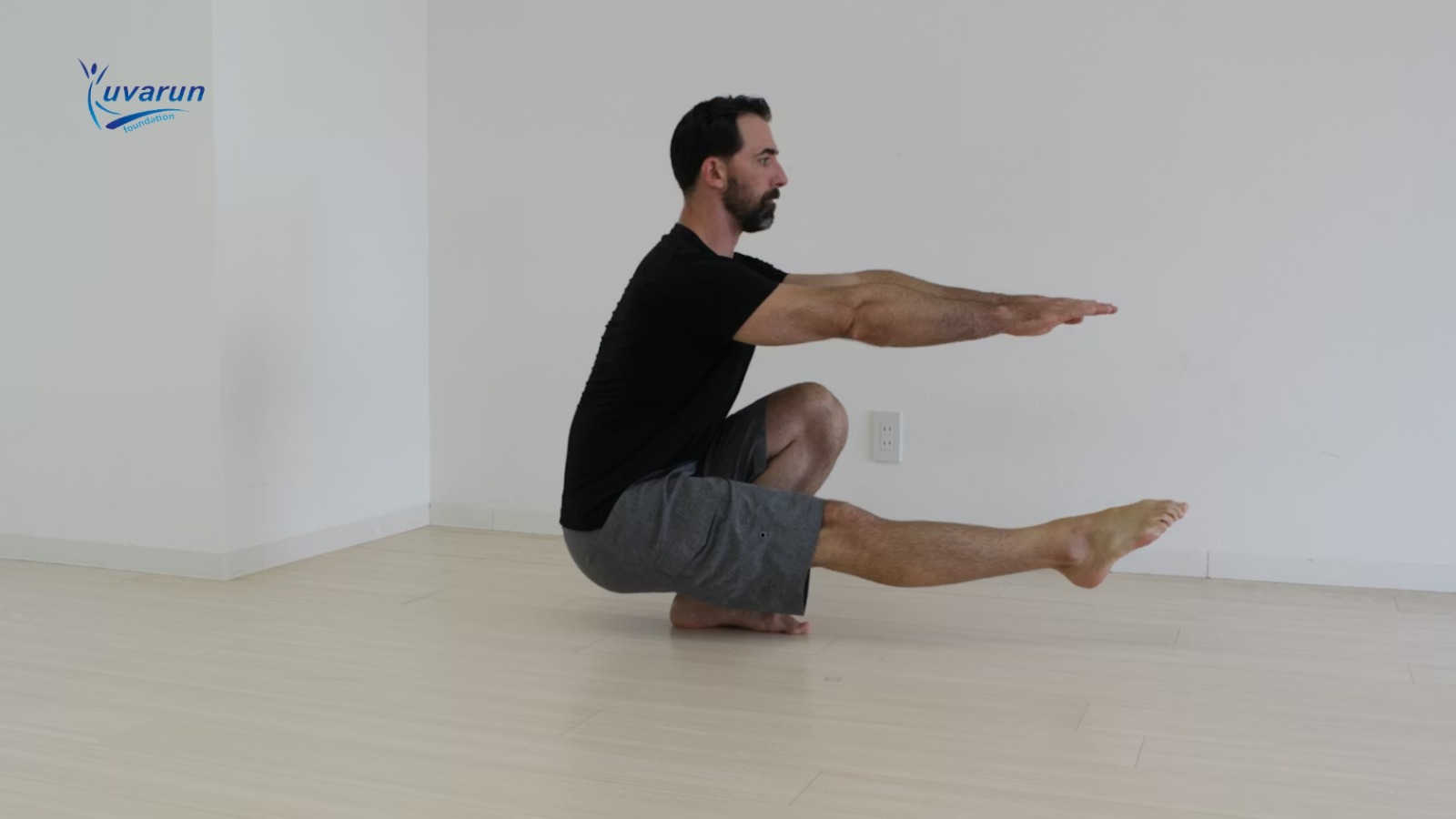
Balancing poses are the quiet truth-tellers of your progress. Tree Pose, Eagle Pose, Warrior III, these shapes reveal how focused, stable, and connected you are.
If you used to wobble constantly but now find yourself holding your balance longer, staying calmer, and recovering more smoothly from slips, you’re developing stronger neuromuscular control. Intermediate classes often introduce moving balances and more dynamic transitions, which require exactly this kind of coordination.
6. You Understand Your Body’s Limits Without Fear
One of the biggest milestones in yoga is learning when to go deeper and when to step back. In the early days, everything feels confusing. Am I pushing too much? Am I too loose? Should this hurt?
If you now know the difference between discomfort and danger, challenge and strain, openness and overstretching, you’re practicing at a mature level. Intermediate classes don’t just give you harder poses; they trust you to make your own choices. Understanding your limits with confidence is the key that unlocks this phase.
7. Yoga Is No Longer Just Physical for You
At some point, yoga stops being only a workout. Maybe you notice you’re more patient, more present, or more at ease in difficult moments. Maybe your breath helps you calm down outside the mat. Maybe your practice has become a ritual rather than a task.
Intermediate yoga dives deeper into breathwork, mindfulness, and meditation. If you’re already craving this dimension, wanting to understand the “why” behind poses, not just the “how”, you’re ready for a more mindful, integrated practice.
So… Are You Ready to Move Forward?
If several of these signs feel familiar, your practice is already evolving. An intermediate class won’t pull you out of your comfort zone recklessly, it’ll expand it. You’ll learn new variations, stronger transitions, longer holds, and deeper breathwork. Most importantly, you’ll gain a richer connection to your mind and body.
At Yuva Run Foundation, we guide students through this transition thoughtfully. You don’t need to be able to do headstands or backbends. You just need the willingness to grow and the patience to learn. That’s all intermediate yoga asks of you.
How to Make the Shift Smoothly
Here’s what helps when stepping up to intermediate sessions:
- Start with one or two intermediate classes a week.
- Keep a beginner or gentle class in your schedule for recovery.
- Don’t compare your progress with others, your journey is your own.
- Remember: strength comes with consistency, not speed.
If you're learning through online platforms, choose structured programs instead of random classes. A proper progression makes a big difference.
The Bottom Line
Moving past the beginner stage isn’t about ego. It’s about readiness. When alignment feels natural, breath is steady, recovery is quicker, and curiosity pulls you forward, you’re already halfway there. Intermediate yoga classes can help unlock strength, fluidity, and awareness you didn’t know you had.
If you're feeling that pull, trust it. Your practice is ready to grow.