Online Yoga Basics: Everything You Need Before Your First Class
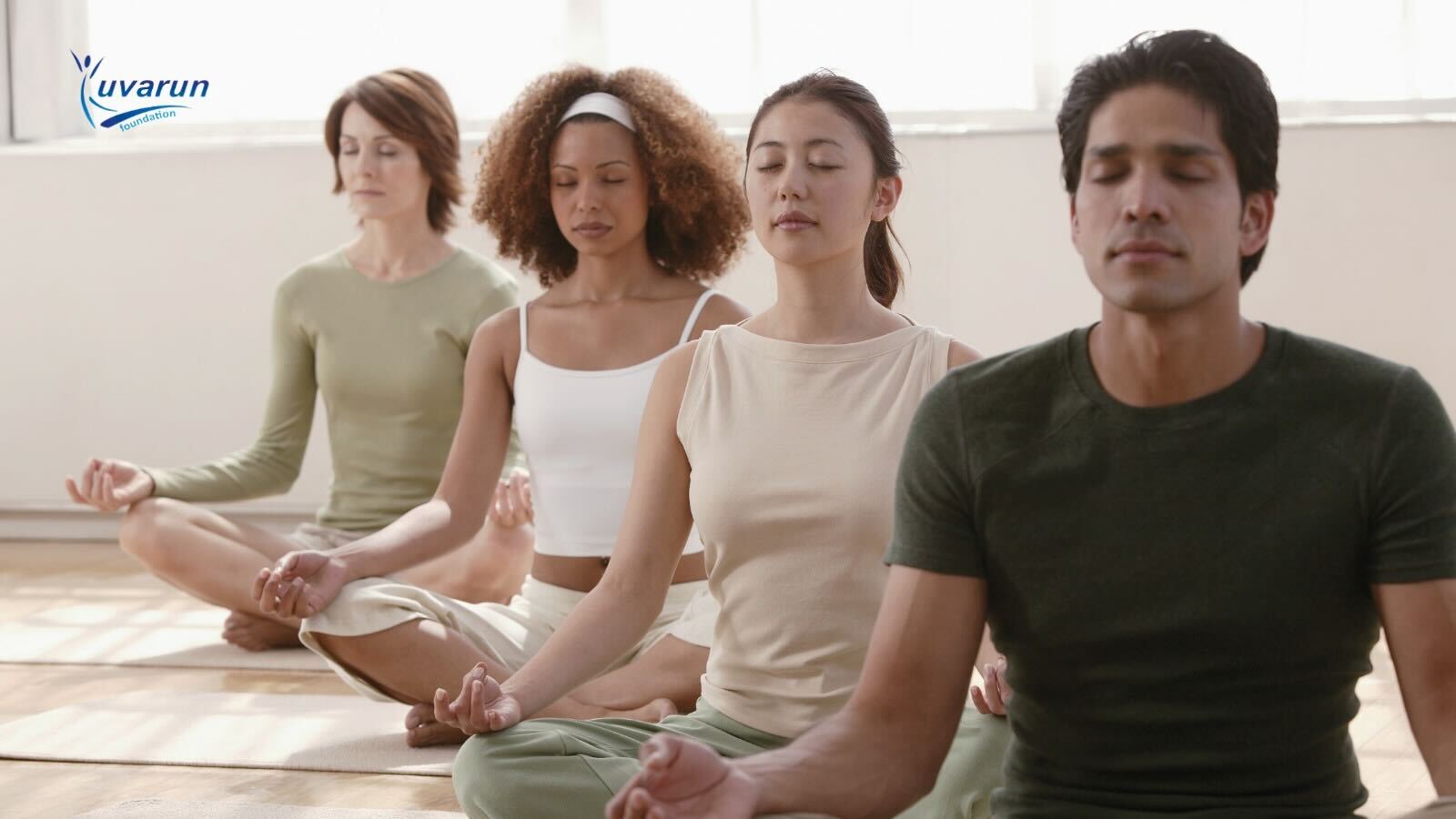
Stepping into the world of yoga can feel like entering a new language. Poses you’ve never heard of, breathing techniques that sound complicated, and the pressure of keeping up with people who seem to float through postures effortlessly. The good news is that yoga isn’t about competing or performing. It’s about understanding your body, moving with intention, and creating a little more space in your daily life. online yoga classes for beginners make that journey even easier because you can start right where you are.
Let’s walk through the essentials so you know exactly what you need before your very first online yoga class.
Start With the Right Mindset
Most beginners worry about flexibility. Here’s the truth: yoga does not require flexibility; it builds it. What you need more than anything is patience and a willingness to learn. Treat your first few sessions as exploration. Notice how your body feels, what comes easily, and what feels tight or awkward. Everything else will follow.
Choose the Right Style for Beginners
Yoga isn’t one thing. There are multiple styles, and choosing the right one determines whether you enjoy the experience or feel overwhelmed. For beginners, three styles tend to work best:1.Hatha Yoga
Think of this as the foundation. Slower movement, basic poses, and plenty of time to understand alignment.2.Vinyasa Yoga
A bit more dynamic. Breath and movement flow together, but most beginner vinyasa classes still move at a comfortable pace.3.Yin Yoga
Slow, deep stretches held for longer. Great for mobility and calming the mind.If you’re unsure where to begin, Hatha is usually the safest and easiest entry point.
Set Up a Comfortable Practice Space
The beauty of online yoga is that your home becomes your studio. You don’t need a fancy setup. Just a clean, quiet corner where you can move freely.A few things help:
- Good lighting so you can follow your instructor easily
- Enough space to stretch your arms wide without knocking anything over
- A non-slip surface so your mat stays steady
- A neutral environment that helps you stay focused instead of distracted
Your Equipment Checklist
You don’t need a truck full of props. Start simple.A Good Yoga Mat
Look for something with grip and cushioning. Thin mats slip easily; overly thick ones affect balance.
Blocks
These help you reach the floor without straining. If you don’t have blocks, books of equal size can work for now.
A Strap
Useful for hamstring stretches. A belt or scarf works as a temporary replacement.
Water and a Small Towel
Basic, but helpful. Even gentle yoga can make you sweat if you’re not used to it.
Once you get consistent, you can upgrade your gear. But for the first class, this is enough.
Wear Something You Can Move In
This isn’t a fashion show. You’ll want clothes that allow movement but aren’t too loose. Loose shirts slide during inversions and distract you. For beginners, think leggings, shorts, or joggers paired with a fitted top. Comfort first, always.
Learn the Basic Poses Ahead of Time
You don’t need to memorize sequences. But knowing a few postures will help you feel more grounded in your first class.Here are the essential ones:
-
Mountain Pose (Tadasana)
Alignment and grounding.
-
Downward Dog (Adho Mukha Svanasana)
A stretch for the entire backside of your body; it shows up often.
-
Child’s Pose (Balasana)
Your resting pose; use it anytime you need a break.
-
Warrior I & II (Virabhadrasana)
Great for strength and balance.
-
Cat-Cow (Marjaryasana-Bitilasana)
Perfect for warming up your spine.
Familiarity builds comfort, and comfort makes learning smoother.
Understand the Importance of Breath
Breathing is the heart of yoga. It’s what differentiates it from a simple workout. You’ll hear cues like inhale, exhale, lengthen, soften, expand, these aren’t filler words. They guide your movement and help you stay present.
A good starting technique is Ujjayi breath, often called ocean breathing. The idea is to breathe slowly through your nose and slightly constrict the throat to create a soft sound. It regulates your breath and keeps your mind anchored.
Even if you don’t get it right away, keep practicing. It clicks with time.
Take It Slow and Listen to Your Body
One mistake beginner make is trying to match the instructor perfectly. Online yoga gives you freedom to go at your own pace. If something feels too intense, adjust. If you need a break, drop into Child’s Pose. Yoga is not about pushing to the point of discomfort. It’s about understanding your limits and gradually expanding them.
Don’t Compare Your Progress
When you're practicing from home, you avoid the subtle comparison that happens in a studio. Take that as an advantage. Focus purely on your own practice. Everybody is different. Someone else’s flexibility doesn’t define your journey.
Stay Consistent, Not Perfect
Your first class will probably feel new and slightly awkward. That’s normal. What matters is showing up again. Consistency shapes progress. Aim for two or three sessions a week to start. Over time, your balance improves, your breathing deepens, and movements feel more natural.
Make Use of Beginner-Friendly Online Resources
One perk of online yoga is the endless learning support. You’ll find:
- Guided beginner classes
- Short tutorials on poses
- Breathing practice videos
- Flexibility routines
- Meditation add-ons
Know When to Ask for Guidance
If you feel stuck or unsure, reach out. Many online platforms offer chat support or feedback options. If you’re practicing with an instructor live, don’t hesitate to ask questions. Clear guidance prevents injury and speeds up learning.
Close Each Session Properly
Most classes end with Savasana, a simple resting pose where you lie on your back and let your body absorb the practice. Don’t skip it. This moment helps your nervous system settle, reduces stress, and leaves you calmer than when you started.
A Word on Choosing the Right Platform
Pick a place that feels structured, supportive, and beginner-friendly. Quality instruction makes all the difference in learning alignment and avoiding common mistakes.
This is where organizations committed to wellness can really help. Platforms like Yuva Run Foundation focus on making yoga accessible, safe, and meaningful for people of all ages. A thoughtful program can transform your entire experience.
Final Thoughts
Your first online yoga class isn’t about perfection. It’s about showing up. Once you begin, you’ll notice changes, not just in your body, but in your mindset, your focus, and your energy. The key is to start small, pace yourself, and build a habit that feels natural.
The mat is ready whenever you are. Yoga doesn’t demand that you come with experience. It only asks that you come with an open mind. If you do that, everything else unfolds beautifully.