The Mind-Body Connection: Why Meditation Needs Pranayama
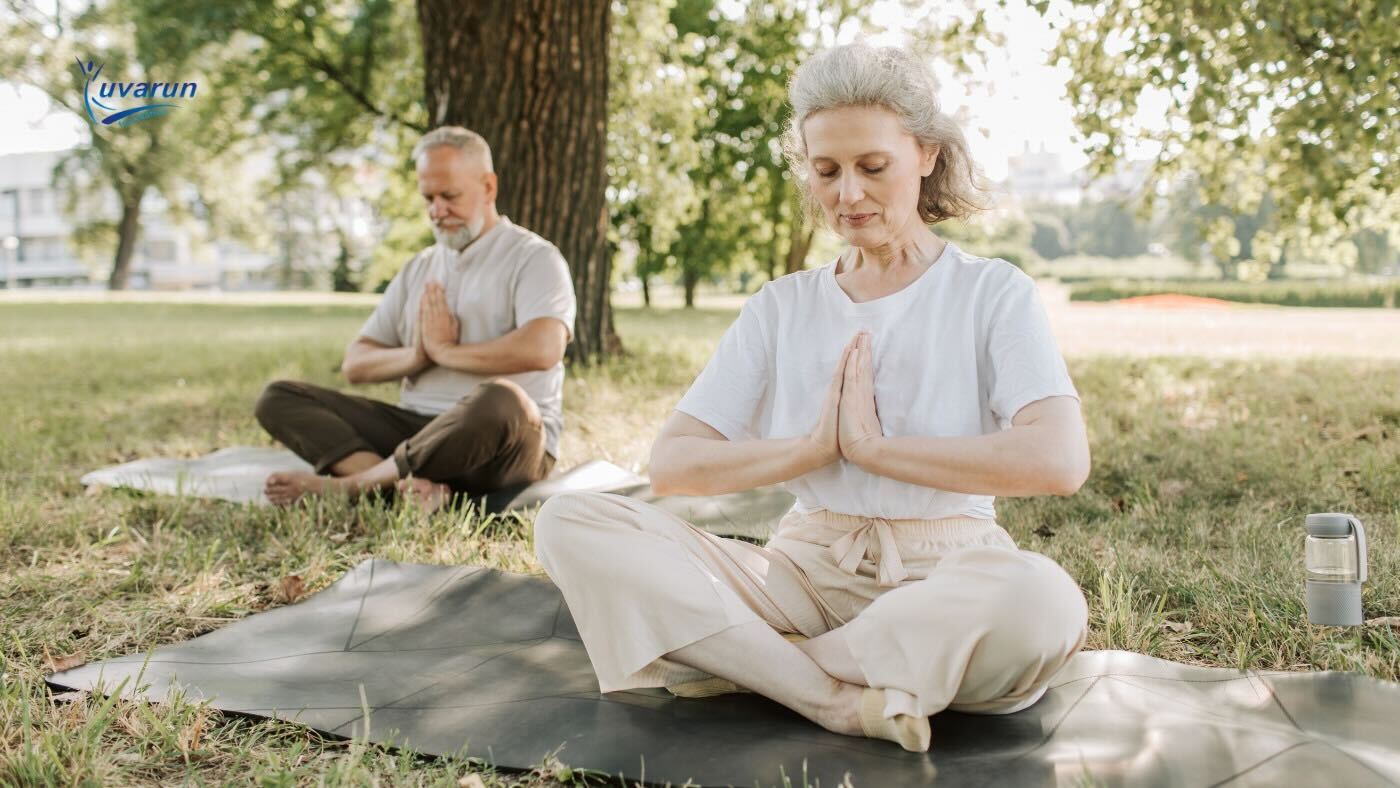
The Mind-Body Connection: Why Meditation Needs Pranayama (And How to Combine Them)
Meditation and pranayama are often taught as separate practices, but here’s the thing: when you bring them together, the impact on your mind and body multiplies. If you’ve tried meditation online and felt your mind drifting or your focus fading, chances are your breath wasn’t supporting your mind. That’s exactly where pranayama steps in.Most people join online pranayama classes expecting better lung capacity or stress relief, but what they don’t realize is that breathwork primes the mind for deep meditation. It clears the inner noise, settles the body, and creates the perfect foundation for stillness. At Yuva Run Foundation, we’ve seen this blend transform beginners into consistent meditators faster than any standalone practice.
Why Meditation Alone Doesn’t Always Work
Let’s break it down. Meditation asks the mind to slow down, observe, detach, and settle. But the mind is basically a restless storyteller. It jumps from work to family to memories to anxieties in seconds. When you sit down to meditate without preparing the mind, you’re fighting a wild current with no oar.This is why many people say things like:
- My mind doesn’t stop.
- I can’t sit still.
- Meditation feels impossible.
- I get frustrated instead of relaxed.
This is where pranayama becomes the missing link.
How Pranayama Prepares the Mind for Meditation
Pranayama is not just breathing; it’s regulation. Through slow, conscious breathwork, you bring your body into parasympathetic mode, the state where healing, relaxation, and clarity kick in.Here’s what pranayama does before meditation:
-
1 .Slows down the mind
Deep breathing lowers cortisol and calms racing thoughts.
-
2 .Relaxes the body
Tight muscles loosen, making it easier to sit comfortably
-
3 .Balances your energy
Practices like Anulom Vilom create emotional stability.
-
4 .Increases awareness
Focusing on breath sharpens concentration.
-
5 .Improves oxygen flow
Better oxygen means a steady, alert mind during meditation.
The Science Behind This Mind-Body Connection
Modern research is catching up to what ancient yogis knew. Breath directly affects the autonomic nervous system, the system responsible for stress, relaxation, digestion, and emotional regulation.- Slow breathing activates the vagus nerve, shifting the body into calm mode.
- Improved oxygen-carbon dioxide balance enhances focus and reduces anxiety.
- Rhythmic breathing increases gamma brain waves, linked to mindfulness and emotional stability.
Why Combining Both Is More Powerful
Meditation teaches awareness.Pranayama teaches regulation.
Together, they create balance.
Here’s the thing: Awareness without regulation often feels overwhelming. Regulation without awareness feels incomplete. When you combine the two, your inner world becomes coherent, thoughts, breath, emotions, all in one rhythm.
This mind-body coherence:
- reduces stress faster
- boosts clarity
- builds resilience
- improves decision-making
- enhances emotional control
- sleep better
- focus longer
- feel lighter emotionally
- manage anxiety more easily
How to Combine Pranayama and Meditation (Step-by-Step)
If you’ve been treating them as separate routines, here’s a simple structure to merge them.1. Start With Centering Breath (2 minutes)
Sit down, relax your shoulders, and breathe naturally.
Let your attention settle on the breath without controlling it.
2. Add Light Pranayama (5 minutes)
Pick one technique to avoid overwhelming your system:
- Anulom Vilom for balance
- Bhramari for emotional calm
- Deep belly breathing for grounding
3. Transition Into Stillness (1 minute)
Stop the pranayama and simply observe the after-effects.
This is the perfect bridge into meditation.
4. Begin Meditation (10–15 minutes)
Choose a method you enjoy:
- Breath awareness
- Body scan
- Mantra meditation
- Visualisation
5. Close Gently (1–2 minutes)
Don’t rush out of the practice.
Let your mind return slowly to external awareness.
This entire routine takes 20 minutes and works beautifully for beginners and advanced practitioners alike.
How Often Should You Practice?
Consistency matters more than duration.Aim for:
- 5 days a week
- 20 minutes per session
- Morning time if possible
Common Mistakes People Make
Here are a few patterns to avoid so you get the most out of the practice:1. Doing aggressive pranayama before meditation
Fast techniques like Kapalbhati energize you, great for mornings, but not ideal before meditation.
2. Holding the breath too long
Breath retention is powerful but shouldn’t be forced. It can create anxiety instead of calm.
3. Expecting instant results
Meditation is a skill, not a quick fix. But the combination with pranayama gives you progress much faster.
4. Practicing on a distracted mind
Right environment matters, quiet corner, clean space, and a comfortable seat.
Why Yuva Run Foundation Recommends the Combined Approach
After training hundreds of students, we’ve seen one thing repeatedly:People who combine pranayama and meditation stay more consistent, feel more benefits, and develop stronger emotional resilience.
Our sessions are designed to bring breath, body, and mind into alignment, not just spirituality, but practical everyday balance. Whether you join meditation online, attend workshops, or take online pranayama classes, this combined method fits easily into any lifestyle.
Your mind becomes clearer.
Your energy becomes stable.
Your emotional state becomes stronger.
And most importantly, you start feeling more connected, to yourself and your daily life.
Final Thoughts
Meditation without breath is like trying to sail without wind. You may move, but it’s slow, frustrating, and unpredictable. Add pranayama, and suddenly everything flows.If you want a practice that feels grounded, peaceful, and sustainable, blend these two tools. Your mind will thank you, and your body will follow.
If you want help building this routine with proper guidance, Yuva Run Foundation offers programs that combine both practices in a way that’s simple, effective, and easy to follow.