Yoga for Every Body: How Yuva Run Foundation Adapts to Different Fitness Levels
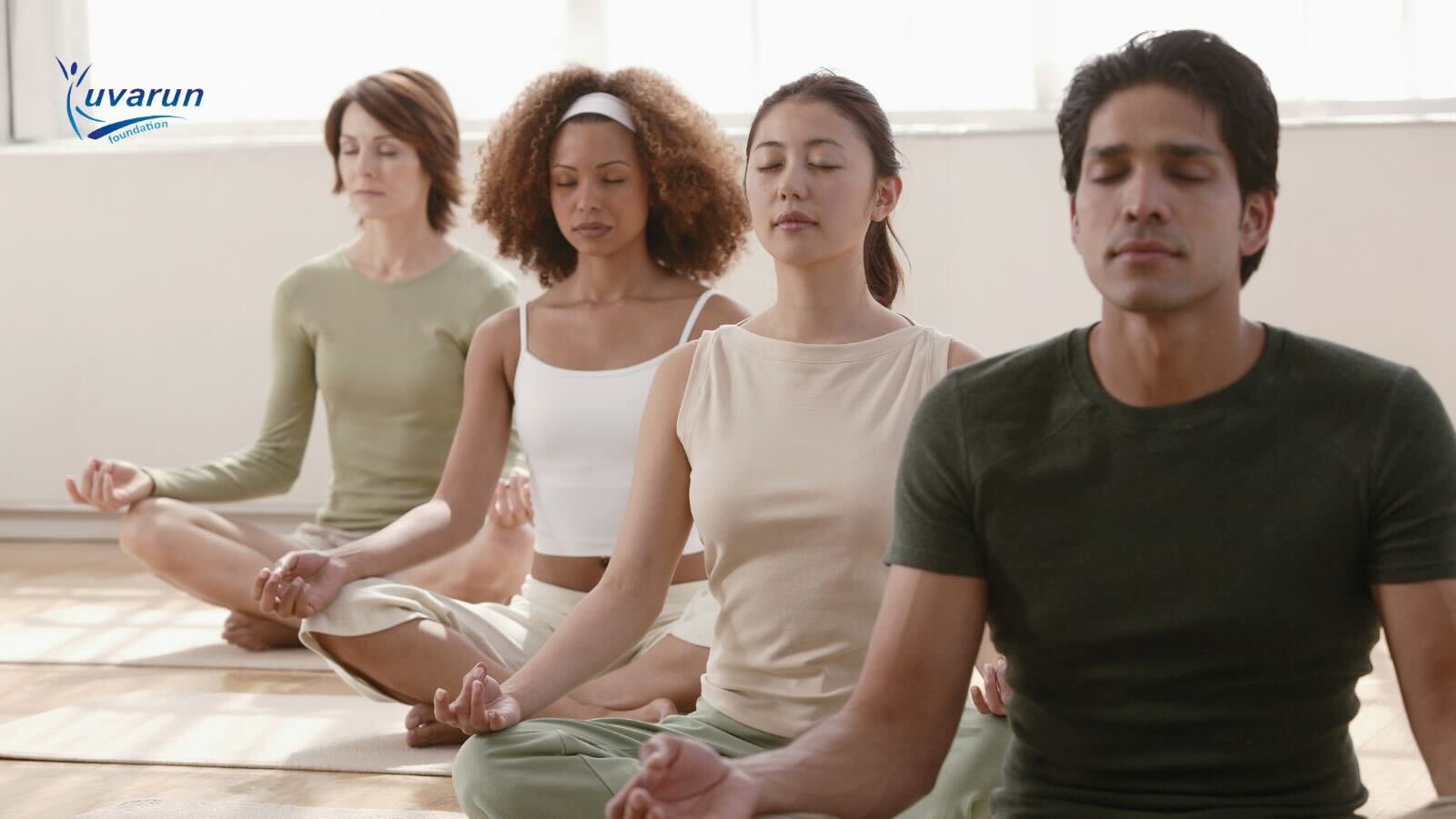
Yoga isn’t about bending yourself into perfect shapes. It’s about finding balance, between body and mind, strength and surrender, effort and ease. For years, people have seen yoga as something reserved for the flexible, the athletic, or the already fit. But the truth is, yoga was never meant for a specific body type or skill level. It’s meant for everybody.
If you’ve ever searched for the best online yoga classes in India, you’ve probably noticed that most of them focus on advanced poses or fast-paced sessions that can feel intimidating for beginners. That’s where the real gap lies. Many people want to start yoga but don’t know where to begin, or worse, they try a few sessions, struggle to keep up, and assume yoga isn’t for them.
Here’s the thing: yoga isn’t about how far you can stretch or how long you can hold a pose. It’s about how deeply you can connect with your body in the present moment. That’s what makes the best online yoga classes in India stand out, they meet you where you are. Whether you’re starting after years of inactivity, looking to enhance your athletic performance, or simply trying to manage stress, there’s a form of yoga that fits your pace, your goals, and your body.
Let’s break down what makes yoga truly adaptable, and how a thoughtful approach can make it accessible for everyone, from complete beginners to lifelong practitioners.
1. Understanding the Real Purpose of Yoga
Yoga, in its essence, is not just a workout. It’s a system designed to cultivate awareness and harmony. The physical postures, or asanas, are only one part of it. Breathing techniques (pranayama), meditation (dhyana), and relaxation practices are equally vital.
When yoga is approached holistically, it automatically adapts to your needs. Someone recovering from an injury might focus more on breath and restorative postures. Someone building strength might lean into power yoga or Ashtanga sequences. The foundation is the same, it’s the application that changes.
2. The Myth of the “Perfect Body” in Yoga
Scroll through social media, and you’ll see yoga often portrayed by slim, ultra-flexible bodies doing complex poses on beaches or mountaintops. Inspiring? Maybe. But relatable? Not really.
Yoga was never meant to be a performance. It’s a practice of self-acceptance. Whether you can touch your toes or not doesn’t matter. What matters is that you show up and breathe through the experience.
That’s why inclusive yoga programs are so powerful. They strip away the pressure to look a certain way and replace it with encouragement to feel your way through each pose.
3. How Yoga Can Be Tailored for Every Fitness Level
For beginners:
Starting yoga can feel overwhelming. But with guided instruction and gradual progressions, even someone who’s never exercised before can build a steady routine. Classes focused on foundational postures, breathing awareness, and gentle stretches can help increase flexibility, improve posture, and reduce stiffness.
For intermediate practitioners:
Once you’ve built some strength and confidence, you can start exploring flow-based sequences or balancing postures. At this stage, yoga becomes more dynamic, improving stamina and coordination while deepening mindfulness.
For advanced yogis:
Advanced practitioners often shift focus from the physical to the mental and spiritual aspects. The practice becomes more meditative, emphasizing precision, breath control, and inner stillness.
Each level has a unique rhythm, but the thread that connects them is awareness. The beauty of yoga lies in its ability to evolve with you.
4. Yoga for Different Body Types and Limitations
No two bodies are the same, and yoga recognizes that. A good instructor, or a well-designed online class, offers variations for every pose. Here’s how it works in practice:
- For those with tight muscles or limited mobility: Props like blocks, straps, or bolsters can make postures more accessible. Modifications allow you to experience the benefits of each pose without strain.
- For seniors or people recovering from injury: Chair yoga or restorative sessions focus on gentle movement, breathwork, and stability rather than deep stretches.
- For athletes: Yoga can be used to improve flexibility, balance, and recovery. It complements strength training by reducing muscle tension and preventing injuries.
- For people with stress or anxiety: Slower, meditative styles like Yin or Hatha yoga can help calm the nervous system and improve sleep.
5. The Role of Mindfulness in Physical Progress
Here’s something most people miss: yoga isn’t about pushing your limits; it’s about listening to your body. When you start tuning into your breath and sensations, you realize that progress doesn’t come from force, it comes from awareness.
You might begin a session tired or distracted, but by the end, you’ll notice a shift. That clarity, that lightness you feel afterward, is what makes yoga different from any other workout. It’s exercise for both body and mind.
6. Why Online Yoga Is Changing the Game
One of the most positive outcomes of digital wellness is accessibility. Online yoga classes have opened the doors for people who might not feel comfortable in a traditional studio setting.
With the best online yoga classes in India, you can practice from your living room, at your own pace, with instructors who guide you through each step. You can choose classes that fit your time, your level, and your goals.
This flexibility is crucial. It removes barriers, commute, time constraints, self-consciousness, and replaces them with freedom. You don’t have to fit yoga into your life; yoga can fit around it.
7. Making Yoga a Habit That Stays
Starting is easy. Staying consistent is the real challenge. The trick is to make yoga something you look forward to, not something you have to do.
Here’s how to make it stick:
- Set small goals, 10 minutes a day is better than nothing.
- Choose a class style that feels enjoyable, not forced.
- Notice how you feel after each session. That sense of calm and clarity becomes motivation on its own.
- Mix it up: try new instructors or different yoga styles to keep things fresh.
8. The Bigger Picture: Yoga Beyond the Mat
Yoga doesn’t end when your session does. It slowly weaves itself into daily life. You start handling stress differently, becoming more grounded in chaos, and kinder toward yourself and others.
That’s the real transformation yoga offers, not just a stronger body, but a steadier mind. Whether you’re practicing gentle morning stretches or challenging asanas, yoga meets you right where you are and grows with you.
Final Thoughts
The most powerful thing about yoga is its inclusivity. It doesn’t ask for perfection, only presence. It invites everyone, regardless of age, ability, or background, to explore movement, stillness, and self-awareness in their own way.
And that’s exactly what Yuva Run Foundation stands for: making yoga and wellness accessible to every individual by adapting the practice to fit real people, real bodies, and real lives.